


Starts From One Photo
Upload a single image and a script to make your first video. There is no rigging or modeling step, which keeps setup friction low.

Put a presenter on screen without stepping on camera. VlogMe turns one clear portrait and a script into a recorded avatar video. AI avatar live streaming with a live AI avatar is not publicly available at VlogMe; enterprise teams can contact us to discuss requirements.
Compare real-time avatar streaming with recorded video and publishing options.
| Format | What it means | At VlogMe |
|---|---|---|
| Real-time avatar streaming | The avatar is generated or controlled during a live session. Interaction varies by service: some follow a performer's camera, others reply to viewers, and low latency, eye contact and interruption handling differ. | Not publicly available. Enterprise enquiry only. |
| Recorded avatar video | Rendered from a portrait, a script and a voice track, then reviewed before publishing. | Available now. |
| Recorded video in your own broadcast | A finished file played through external software such as OBS or Streamlabs. Viewers see playback, not a live avatar. | Your own setup and platform rules. VlogMe does not connect to live platforms. |
| Scheduled social post | A recorded video published to a social platform at a set time. | Available now. |
Upload one image with a clear face and good lighting.
Add your script by typing text, then add a voice track, which is prepared as its own step.
Render, review, then publish or schedule.
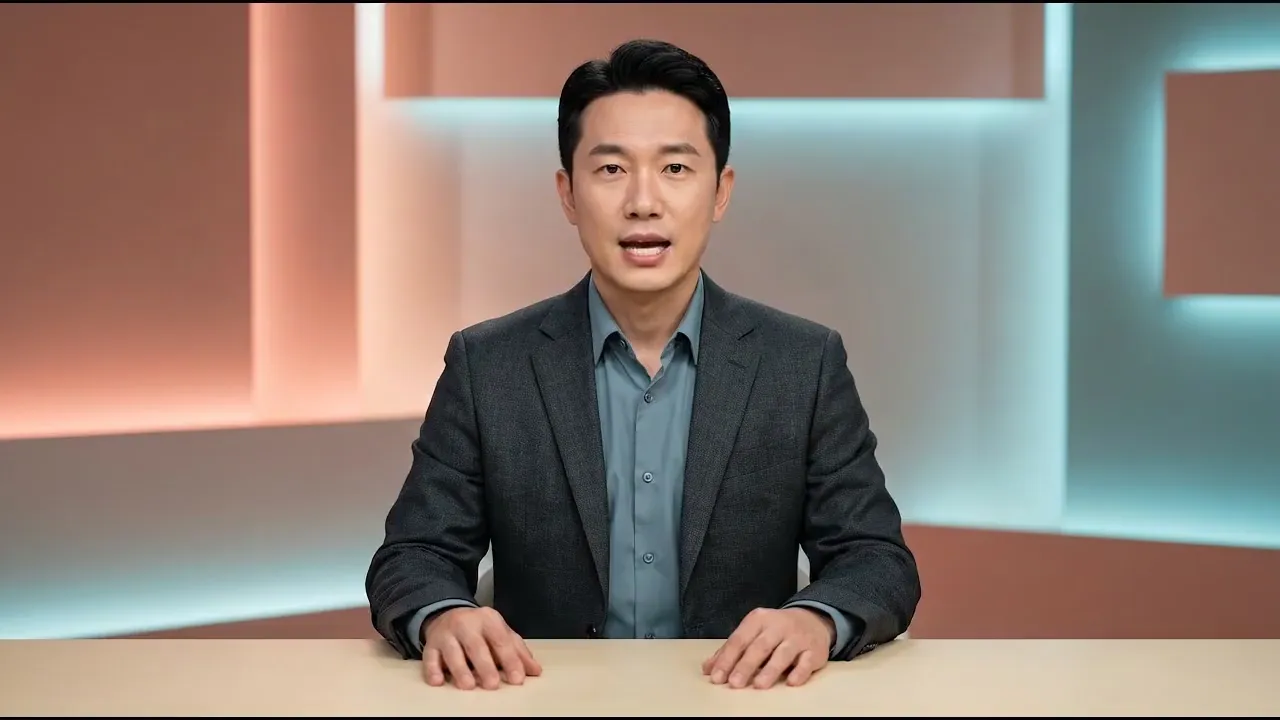 16:9
Upload a single image and a script to make your first video. There is no rigging or modeling step, which keeps setup friction low.
Write a reply to a viewer's question, then render it as an avatar clip.
Schedule videos ahead so your channel keeps posting through a busy schedule and across time zones.
Creators publish game demos and art reveals through an on-camera persona without showing their face. Support teams turn common questions into FAQ videos fronted by a virtual host. Sellers who want an always-open live streaming room can discuss their requirements with us.
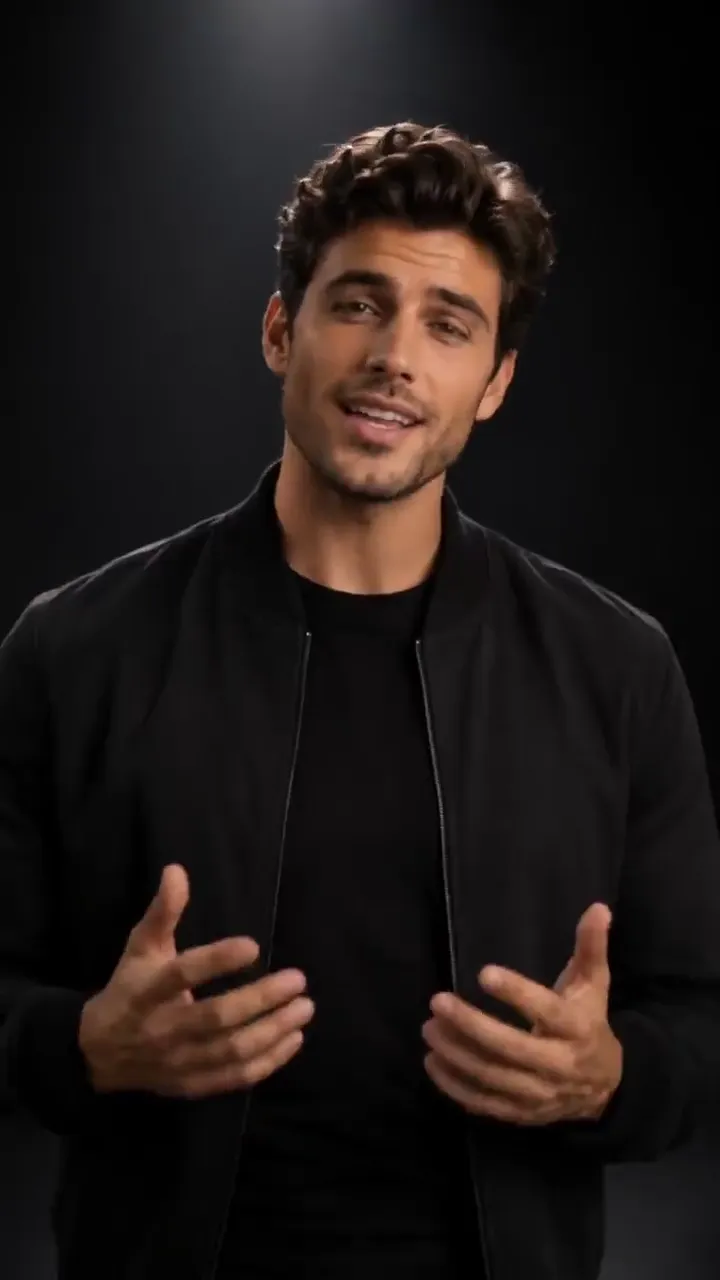 9:16
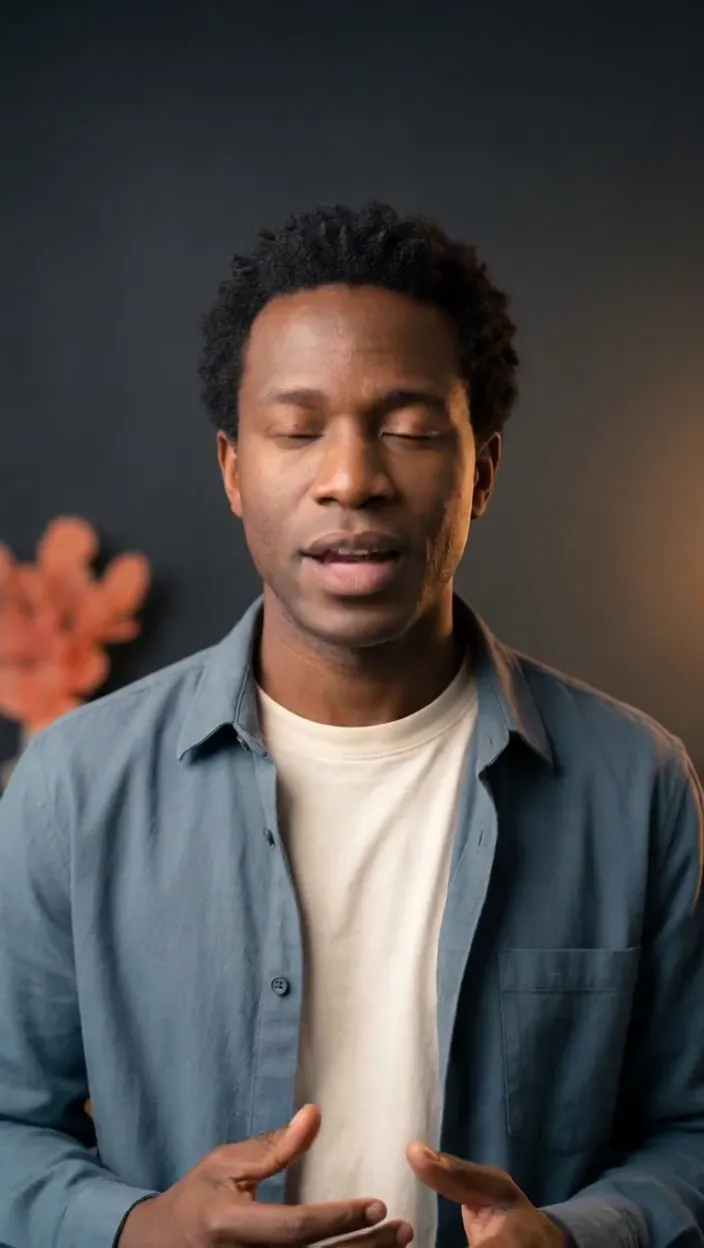 9:16
 9:16
VlogMe's recorded video tools run on credits through subscription plans. See the pricing page for current plans and what a video costs before rendering. 24h non-stop, real-time streams are not part of the public plans.
Real-time tools produce the avatar during the session. That suits conversations and live shows. Latency, session length, concurrency and dedicated capacity differ by service.
A recorded workflow renders first. You can review and correct the script and the video before publishing pre-recorded videos, which can ease performance anxiety for whoever fronts the channel.
Need true real-time performance, with an avatar answering viewers around the clock? That is not publicly available at VlogMe. We are open to discussing an Enterprise setup. Scope, availability and commercial terms need confirming after your enquiry, and neither an enquiry nor a sign-up switches on live streaming.
These details help us assess feasibility. They are not a list of supported features.
Keep one on-brand avatar across your videos. Editing is a separate step: VlogMe's Video Editor is where you trim, crop and add text before publishing, so each version suits its platform.
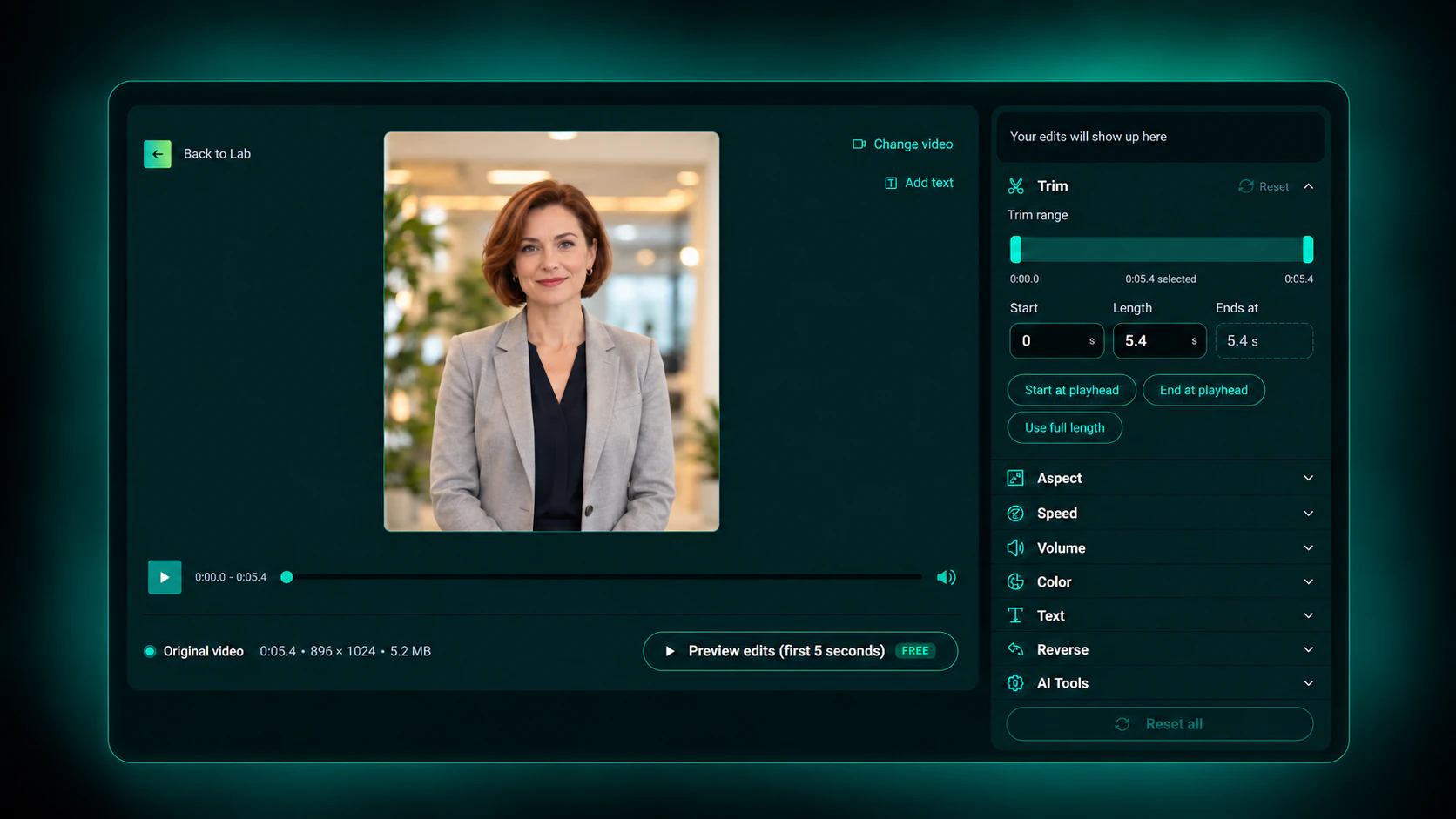
Your video keeps working after it is published. DUB, a separate tool, translates a finished video into other languages, and each version can be published or scheduled to supported social platforms.
 16:9
Two common approaches are camera-driven and conversational avatars. A camera-driven avatar mirrors a performer through live tracking. A conversational avatar responds to typed or spoken input: where viewers speak, speech recognition (ASR) transcribes them, a language model (LLM) may draft the reply, and text-to-speech (TTS) voices it. Running either kind 24/7 adds hosting and monitoring work, which teams weigh against human hosts and their labor costs.
An avatar generated or controlled during a live session, either a digital clone or a character. Some mirror a performer's expression, gesture and movement; others respond to typed or spoken input.
Offline tools are render-first: write a script, render, review, then publish. Real-time tools produce the avatar during the session, so timing depends on latency. VlogMe's public product is render-first.
Yes, with a real-time avatar service. Twitch streamers, Kick streamers and YouTube Live creators use such tools to go live. VlogMe's live avatars are not publicly available.
No. A VTuber pipeline like VTube Studio or Animaze typically animates a rigged model from your camera in real time. VlogMe's recorded workflow renders a video from a photo and a script instead.
Use only a consented likeness: your own face, or one you have clear permission to use. Read VlogMe's terms and privacy policy before uploading anyone's image.
In Video Studio, upload a front-facing image or create a character with AI avatar generation, add your script and voice track, then render. The result is a recorded video.
A pre-recorded livestream: a recorded video broadcast as if it were live, sometimes looped or scheduled while chat stays open for engagement. VlogMe renders recorded videos; it does not run the broadcast.
Live avatars are not publicly available, so there is no free live option. Recorded video uses credits on paid subscriptions; see the pricing page for current plans.