VlogMe

AI image-to-video generator Turn one image into a scene worth watching.

Upload a product shot, portrait, illustration, or landscape. Direct the action and camera, compare leading video models, and see the credit estimate before you generate.

  • See the credit estimate before generation
  • Buy credits when you need them
  • Files stay local until you continue

Try it with your own files

Set up your generation

Recommended models

After you sign in, your image uploads to Lab and opens in Video Studio with the model you picked.

  1. Upload one image
  2. Describe the motion
  3. Pick a model
  4. Generate, then trim or reframe

01Real image-to-video proof

The still frame is only the beginning.

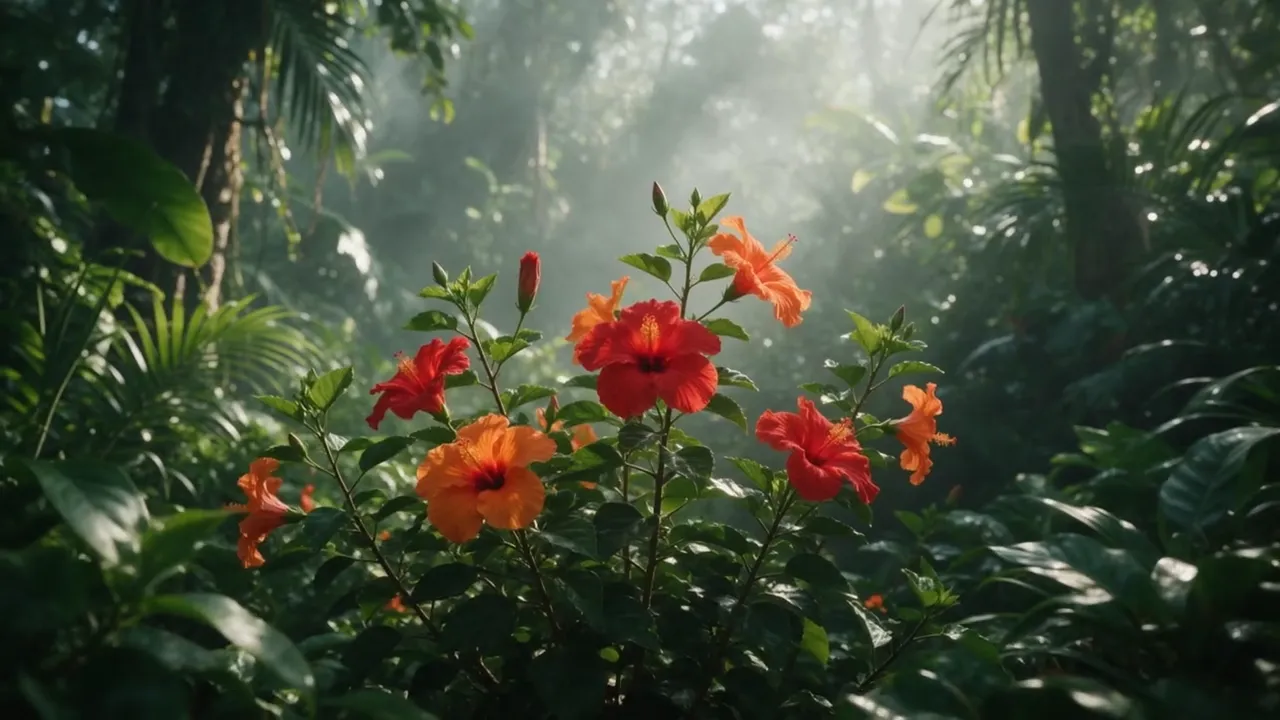
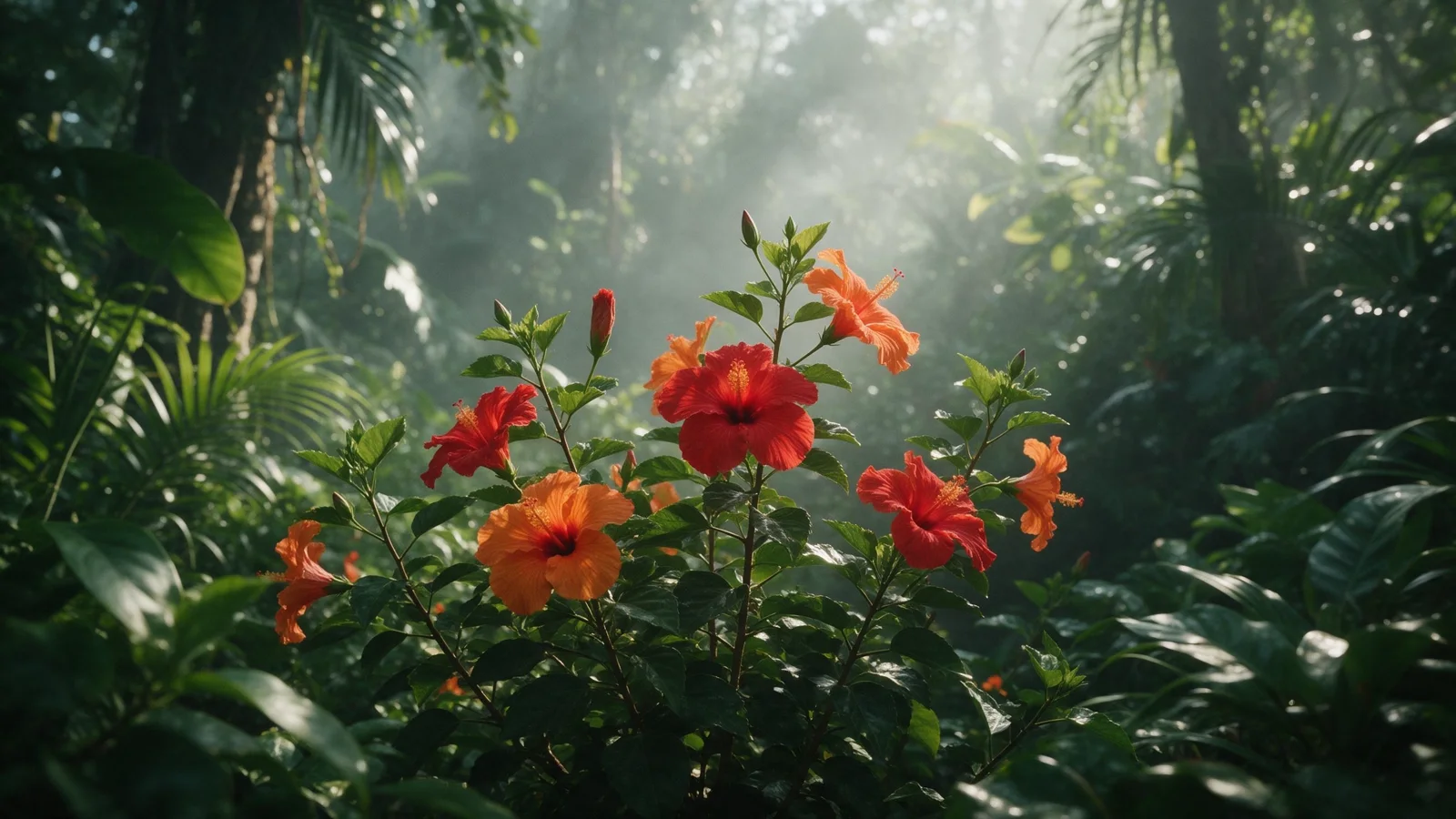
Start from the exact pixels you care about, then add controlled motion. Use a quiet camera push, a tactile product action, or a complete cinematic reveal.

Image to video: sun rays sweep through a misty jungle of hibiscus
Cinematic environment16:9
Source still: hibiscus flowers in a misty jungle
Source image

02Show, then explain

Every capability comes with the proof beside it.

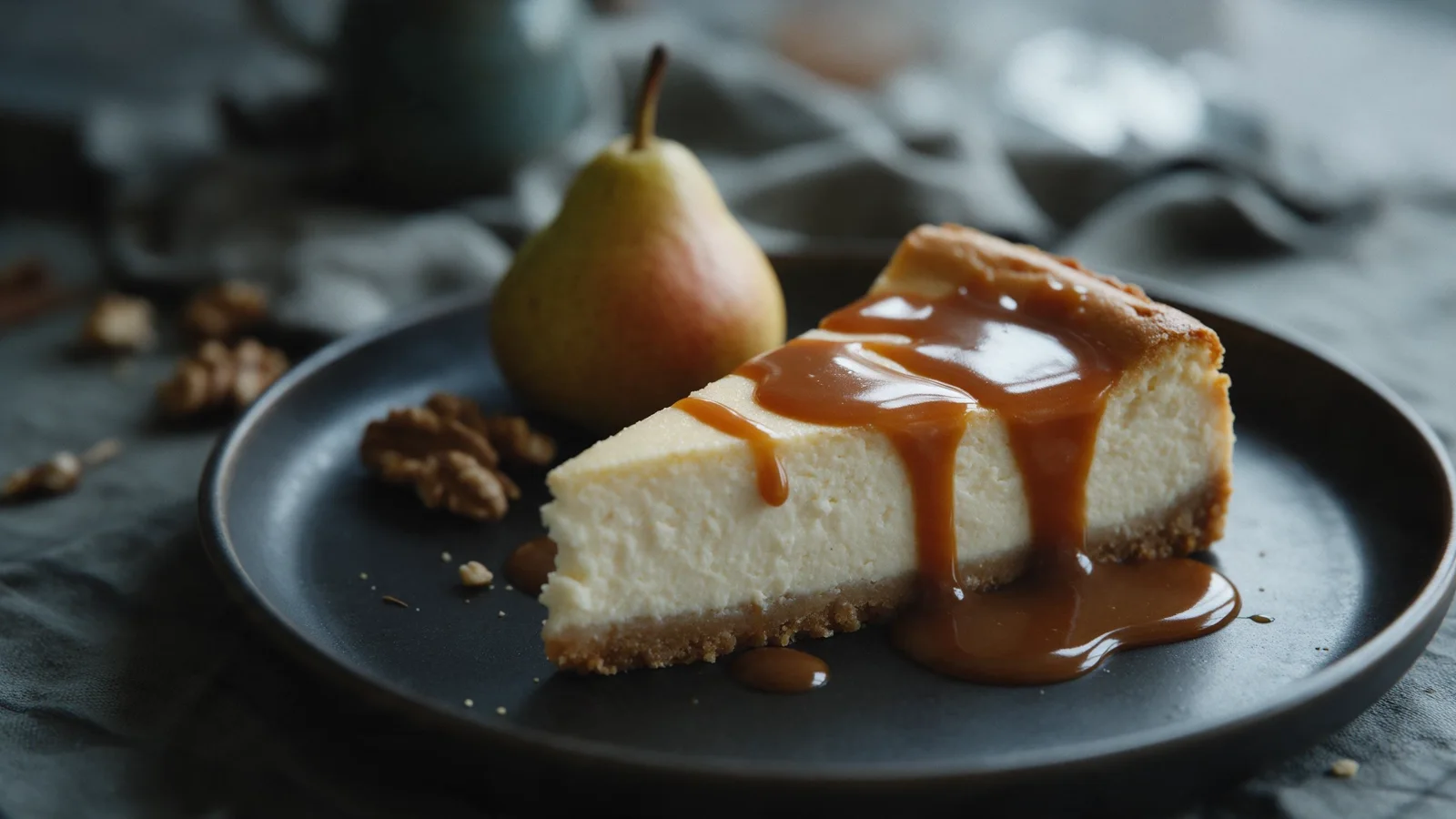
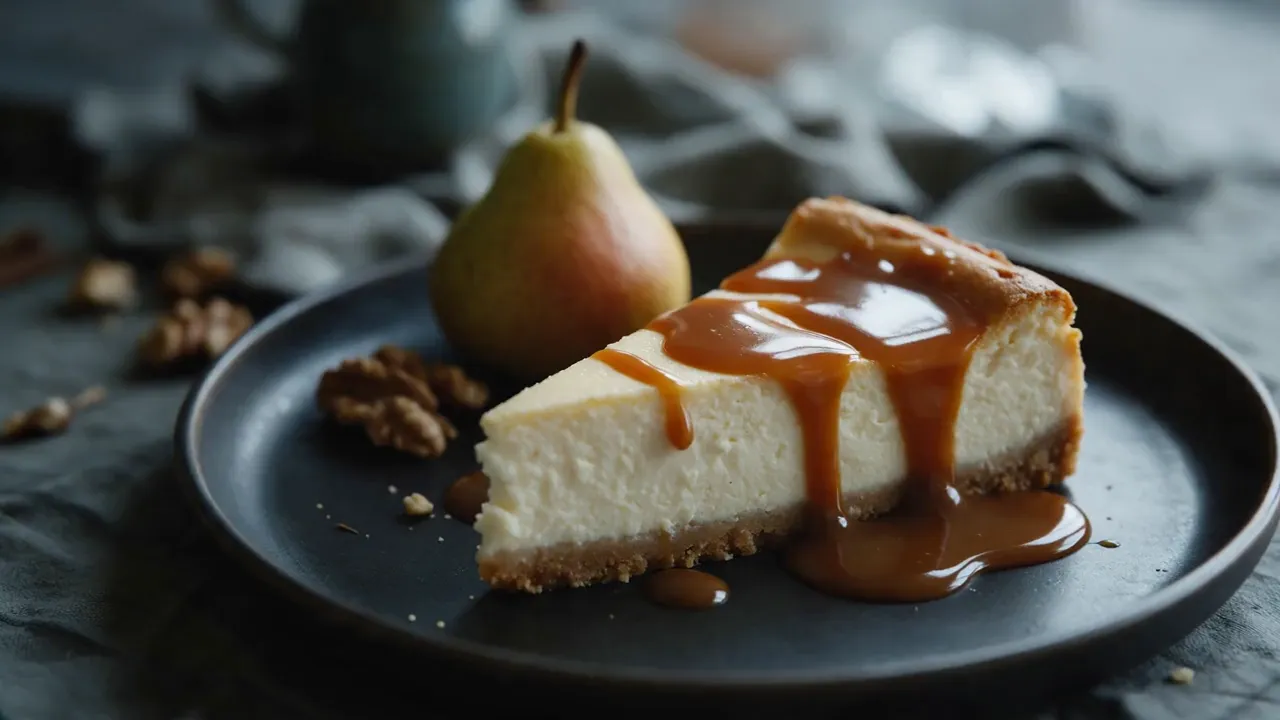
Image to video: caramel drips over the edge of a cheesecake slice
Direct the motion16:9
Source still: a slice of cheesecake with caramel
Source image

01Direct the motion

Tell the camera what to do.

One line of direction — a slow push-in while caramel runs over the edge — and MiniMax H3 animated this still without changing the cheesecake itself. Describe the action, pace and camera move in plain words; keep it subtle or go cinematic.
Animate this image
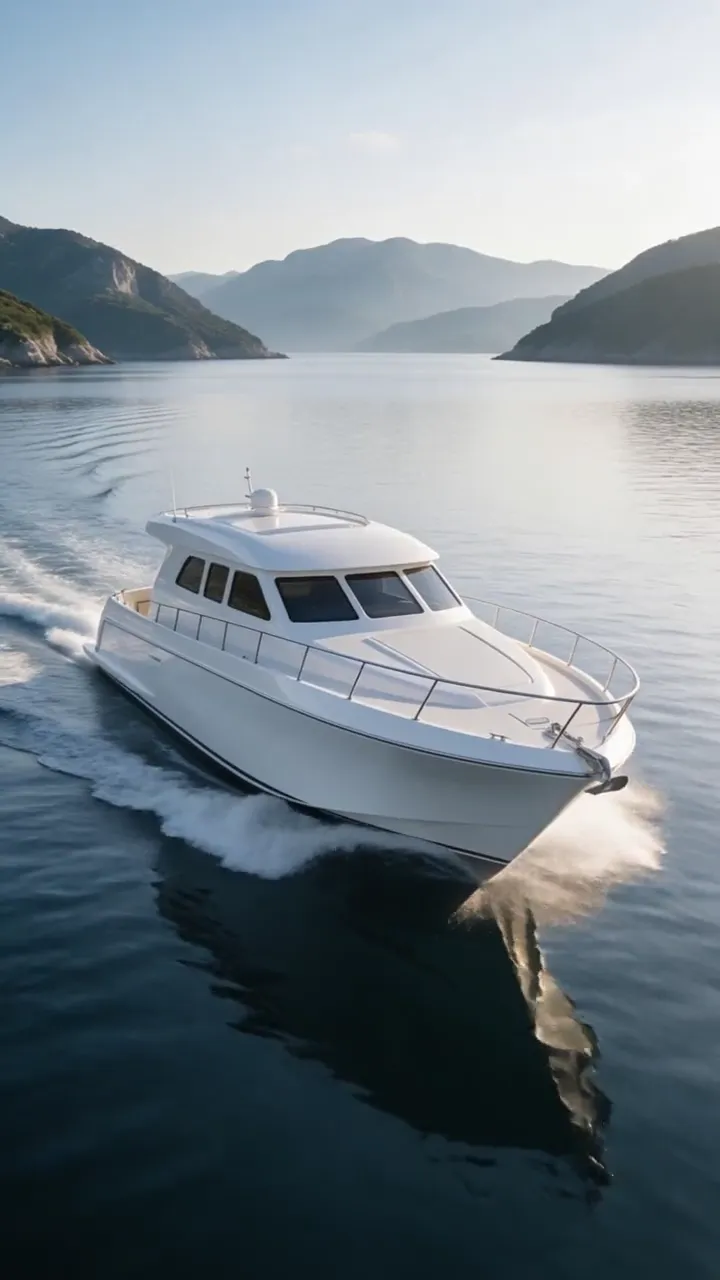
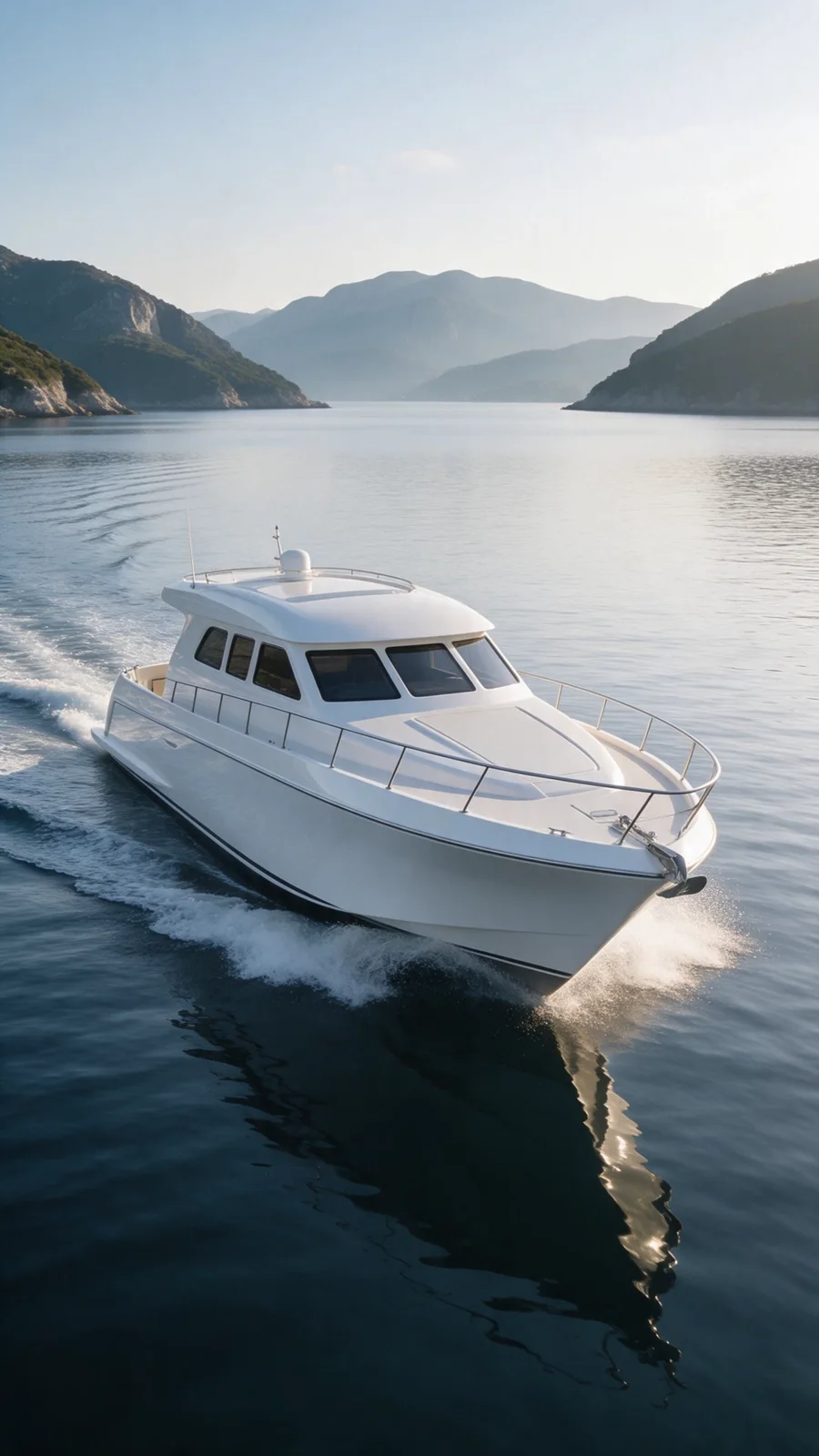
Image to video: a motor yacht banks into a turn across a mountain bay
Product content9:16
Source still: a motor yacht in a mountain bay
Source image

02Product content

Make the product do something.

From one vertical still, Kling 3.0 Pro put this yacht into a banking turn, its wake curling behind. Turn a clean product frame into a demonstration for ads, launch stories and social posts.

Animate this image
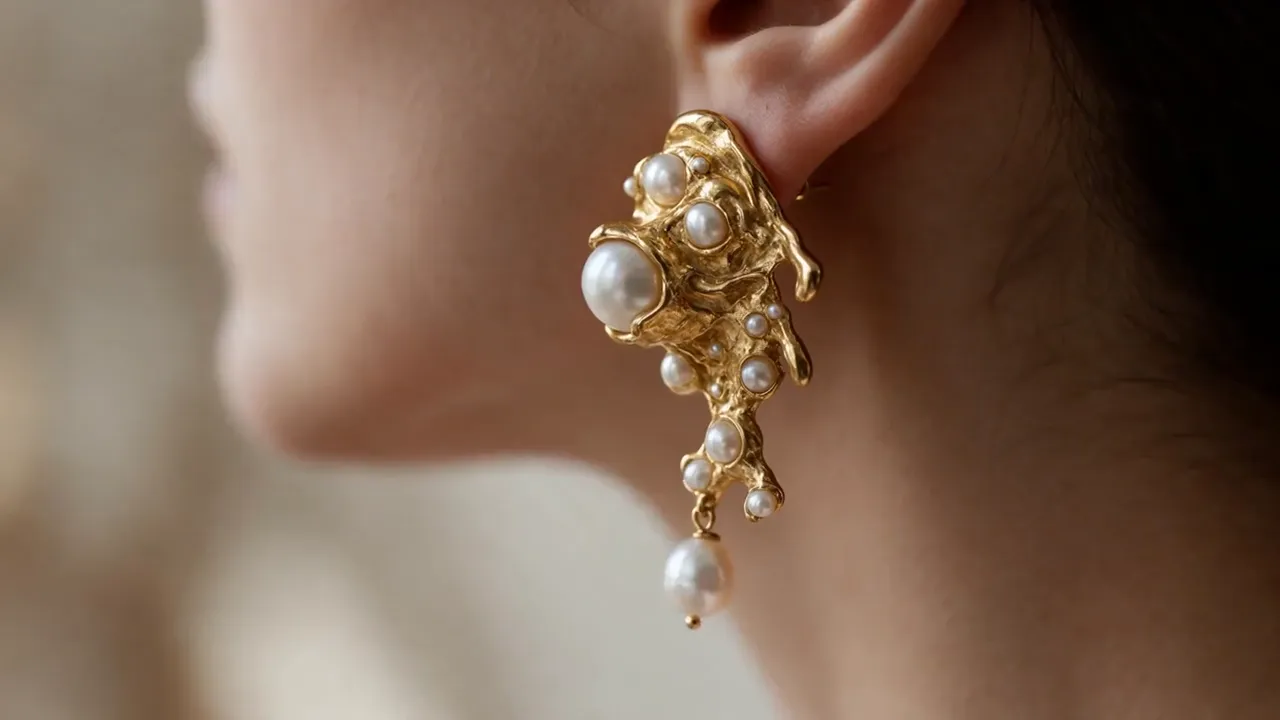
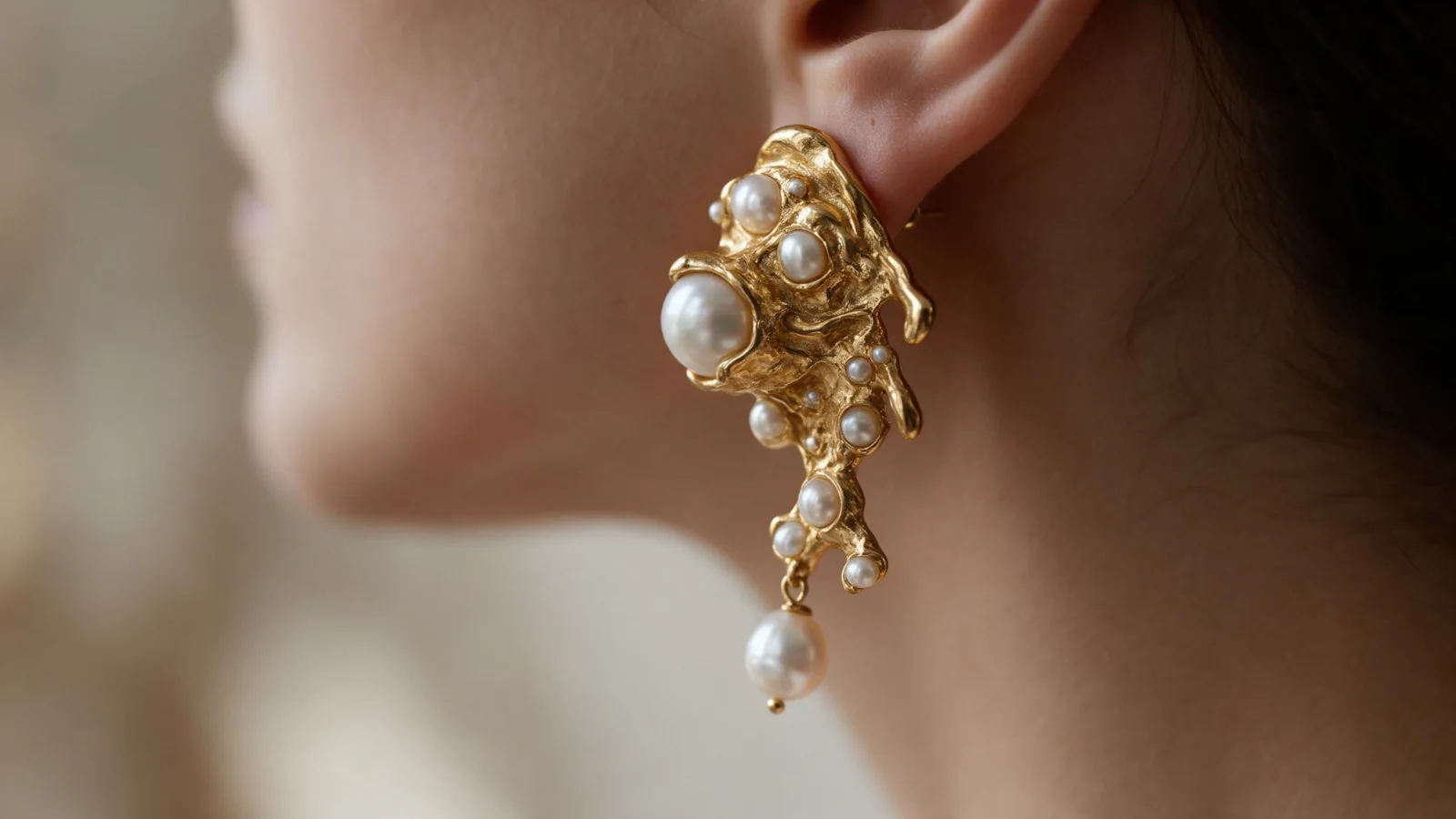
Image to video: a pearl earring sways as she turns her head
Choose the format16:9
Source still: a sculptural pearl earring close-up
Source image

03Choose the format

Portrait for feeds. Landscape for storytelling.

The yacht above is vertical for feeds; this earring close-up stays 16:9 for a brand film, a site header or a lookbook. Kling 3.0 Pro, MiniMax H3 and Grok Imagine keep the shape of the image you upload, while Gemini Omni Flash and Veo 3.1 let you choose 9:16 or 16:9.

Animate this image

Video Studio

Create clips and avatars
  1. Your starting materialAn image you have rights to use
  2. The resultA new moving clip
Continue in Video Studio

03Built for the real workflow

Start simple. Keep control when it matters.

  1. Upload one image

    Start with the exact product, character, portrait, illustration, or scene you want to animate.

  2. Describe the motion

    Say what the subject should do and how the camera should move, such as push in, orbit, pan, or stay locked.

  3. Choose a model and generate

    Continue to Video Studio to compare available models, aspect ratios, duration, and credit estimates before launch.

  • Gemini Omni Flash
  • Veo 3.1
  • Seedance 2.5
  • Seedance 2.0
  • MiniMax H3
  • Kling 3.0 Pro
  • Grok Imagine 1.5

Finished examples

Three stills, three models

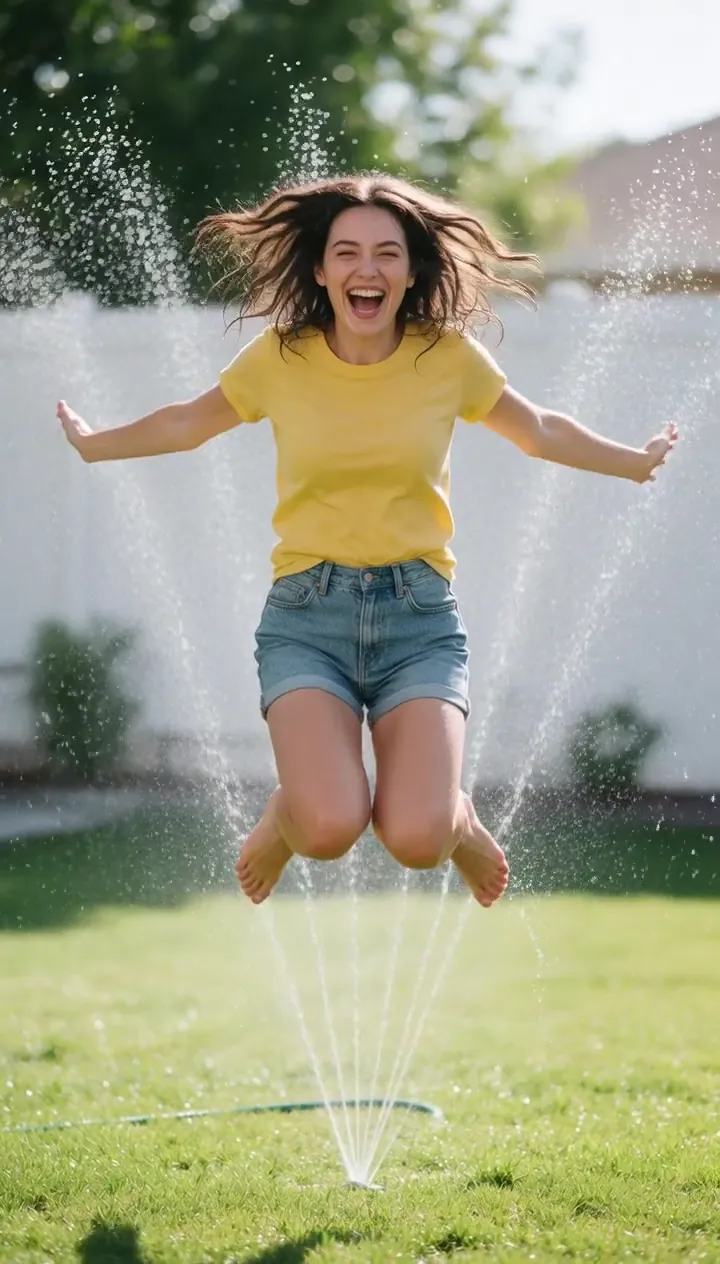
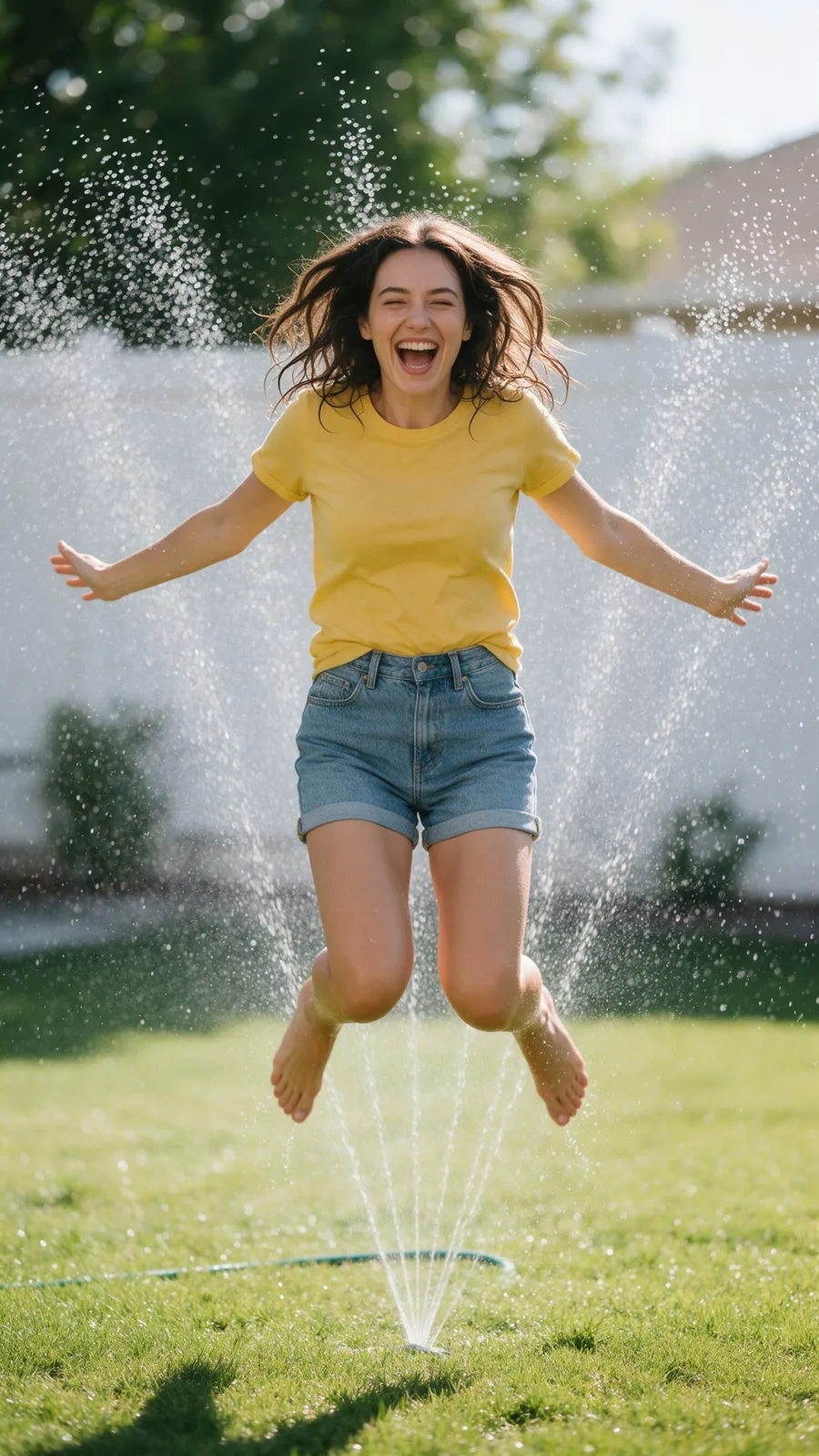
Grok Imagine image to video: a woman leaps through a sprinkler on a sunny lawn and laughs
Image-to-video9:16
Source still: a woman mid-leap through a sprinkler spray on a sunny lawn
Source image
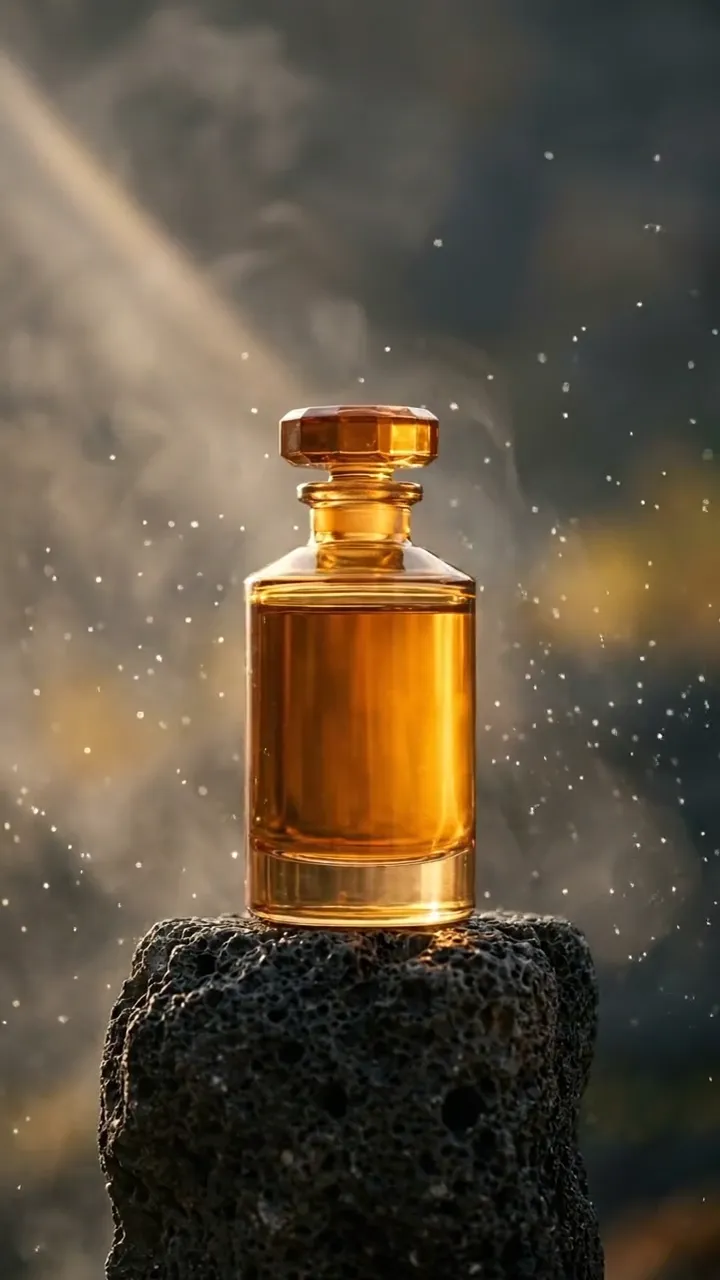
Source still: amber perfume bottle on dark lava rock
Source image
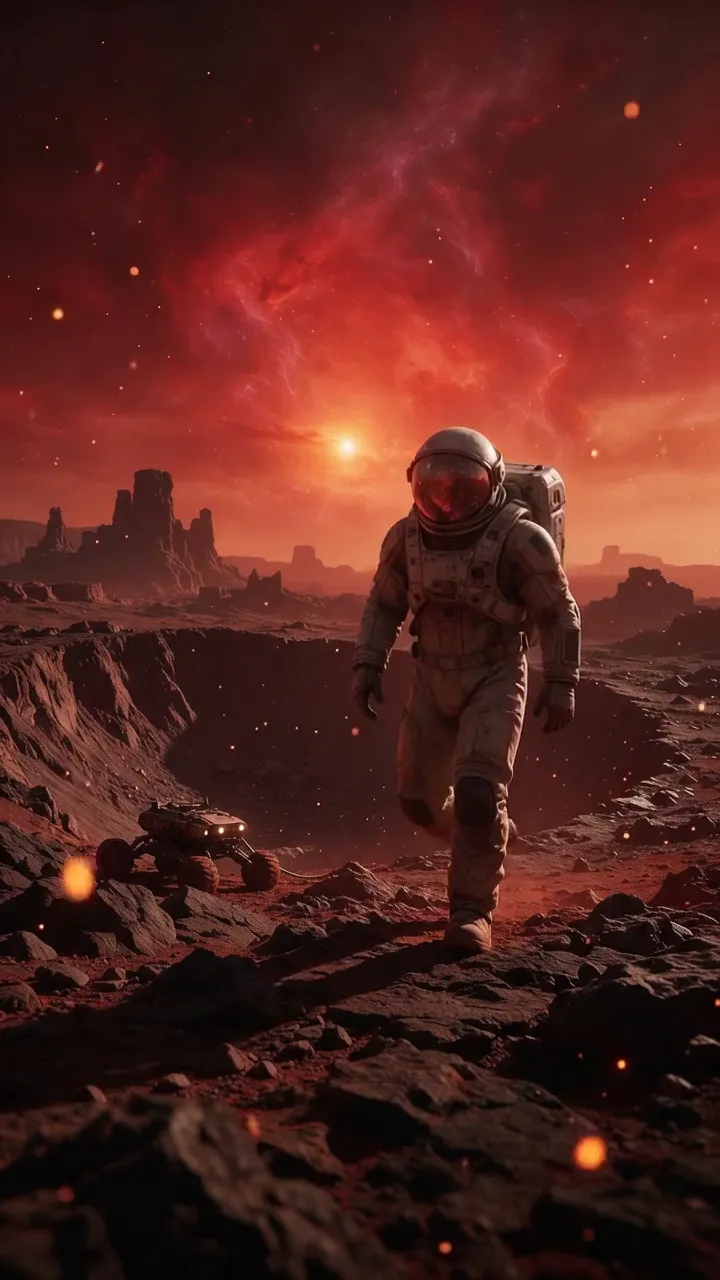
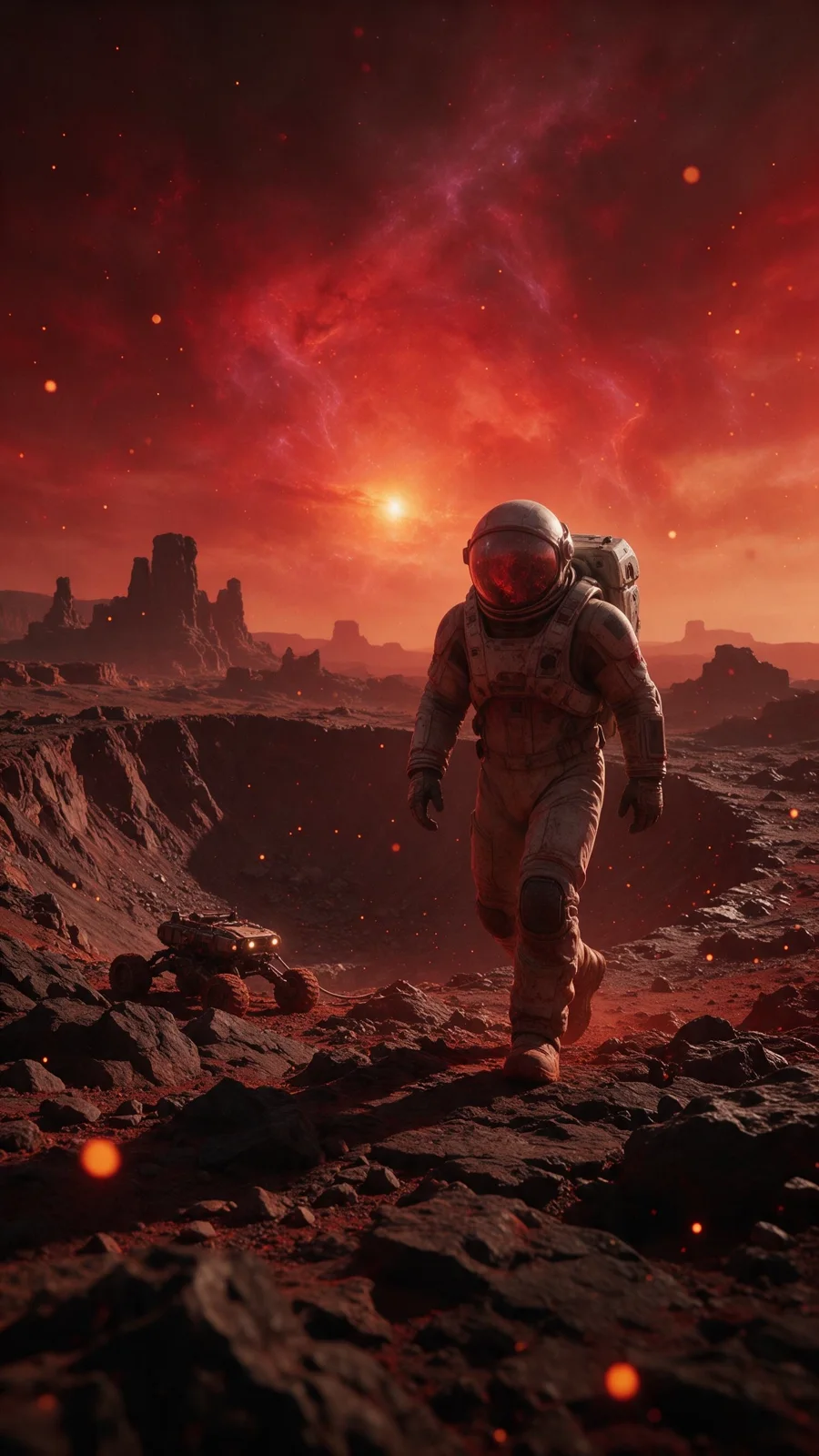
Source still: an astronaut on a red planet
Source image

A leap through the sprinkler · Grok Imagine 1.5

Perfume on lava rock · Veo

A walk on the red planet · Gemini Omni Flash

Complete AI video creation

Generate the shot — then refine it.

The clip is saved to Lab with its sound. In Video Editor, trim it, reframe it to 9:16, 1:1 or 16:9, add an on-screen line or upscale it with Topaz.

  • Saved to Lab, ready to edit
  • Native sound from the model
  • Trim, reframe, text, upscale
  • Credit estimate before launch
Animate this image

Questions before you create

Clear answers. No mystery wall.

What images can I animate?

Use a JPG, PNG, or WebP product shot, illustration, portrait, character, interior, landscape, or other scene. A visible face is not required.

How is image to video different from a talking photo?

Image to video adds camera and scene motion to a still, and the models here also generate sound. It does not lip-sync a face to your own script or voice track: for that, use Make a Photo Talk.

Which video models are available?

This page preselects Gemini Omni Flash and offers Seedance 2.0, Kling 3.0 Pro, Veo 3.1 and Grok Imagine. The image-to-video list in Video Studio also includes models such as Seedance 2.5 and MiniMax H3; the Studio card shows what is available for a new generation.

What should I write in the motion prompt?

Describe the subject action, camera movement, pace, and details that must stay unchanged. A short, specific direction usually works better than a long story.

Can I see the cost before generating?

Yes. Video Studio shows the selected duration and a credit estimate before you launch the generation.

Can I use the result commercially?

Only when you have the required rights to the source image, brands, artwork, and recognizable likenesses, and the selected model or provider terms allow your intended commercial use. Check those terms before publishing.

Ready when you are

Make the first version. Then make it yours.

Describe the motion and pick a model here — no account needed yet. Create one when you continue: your image uploads to Lab and opens in Video Studio, and you see the credit estimate before anything renders.

  • See the credit estimate before generation
  • Buy credits when you need them
  • Files stay local until you continue

Gemini Omni Flash is preselected · Pick another model here or in Video Studio